In the field of architectural decoration, aluminum panels have become a favorite for curtain wall and ceiling systems due to their light weight, high strength, weather resistance, and excellent malleability. However, for many project parties new to this material or facing tight schedules, the top concern is often: "How long does it take to customize a batch of aluminum panels, from design drawings to final delivery?" The answer to this question is not a simple number, but a systematic project closely linked to each step of the process. This article will provide a comprehensive breakdown of the full customization process for aluminum panels and highlight the key factors affecting lead time.
Typically, the lead time for a standard aluminum panel customization project, from drawing confirmation to finished product delivery, ranges from 10 to 25 days. The exact duration depends on the complexity of the order, quantity, and technical requirements.
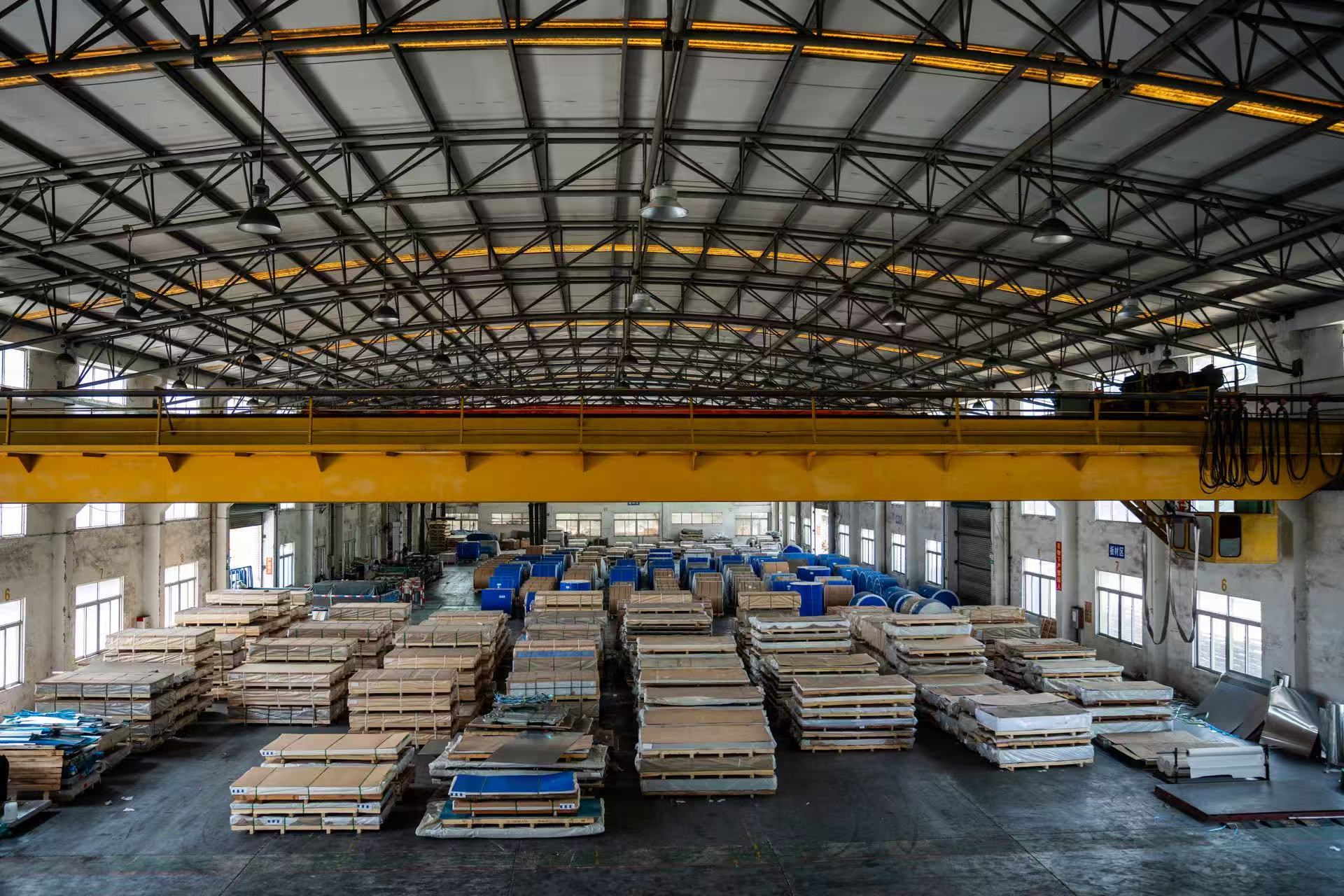
This stage has the greatest flexibility in lead time, directly influenced by the product’s complexity.
Cutting: Large rolls of aluminum sheets are precisely cut according to the detailed design dimensions using CNC shears or laser cutting machines.
Punching/Grooving: If required, CNC punch presses are used to create holes or grooves of various shapes to meet ventilation, decoration, or installation needs.
Bending: This is a key step in forming. The cut aluminum sheets are bent into the 3D shapes specified in the design using high-precision CNC bending machines. For complex curved surfaces, multiple sets of molds or more advanced equipment may be required.
Welding/Grinding: For complex components (such as double-curved panels) that cannot be formed in one piece by bending, welding is necessary. The weld joints are then carefully ground to ensure a smooth and flat surface.
Pretreatment (Degreasing, Chromatizing): The finished sheet metal parts undergo cleaning and chemical treatment to remove oil stains and form a protective film on the surface. This significantly enhances the adhesion between the coating and the aluminum panel, as well as its corrosion resistance.
Spraying: The parts are moved to a dust-free spraying workshop. Powder coating or fluorocarbon paint spraying is carried out as required. Fluorocarbon spraying (PVDF) involves a more complex process, usually including primer, topcoat, and clear coat. After each layer is sprayed, the parts must be cured in an oven. This step is crucial to ensuring the aluminum panels do not fade or chalk for many years.
Note for this stage: Orders for flat panels with standard processes may take only about ten days. However, for orders involving special-shaped panels, multiple rounds of spraying, or special colors (such as metallic colors), the lead time will be significantly extended.
The customization of aluminum panels is a rigorous "assembly line". From virtual drawings to physical building materials, every link embodies technical and management expertise. Understanding this process and maintaining close collaboration with your supplier is the surest way to ensure your project achieves perfect results while accurately controlling the schedule.


