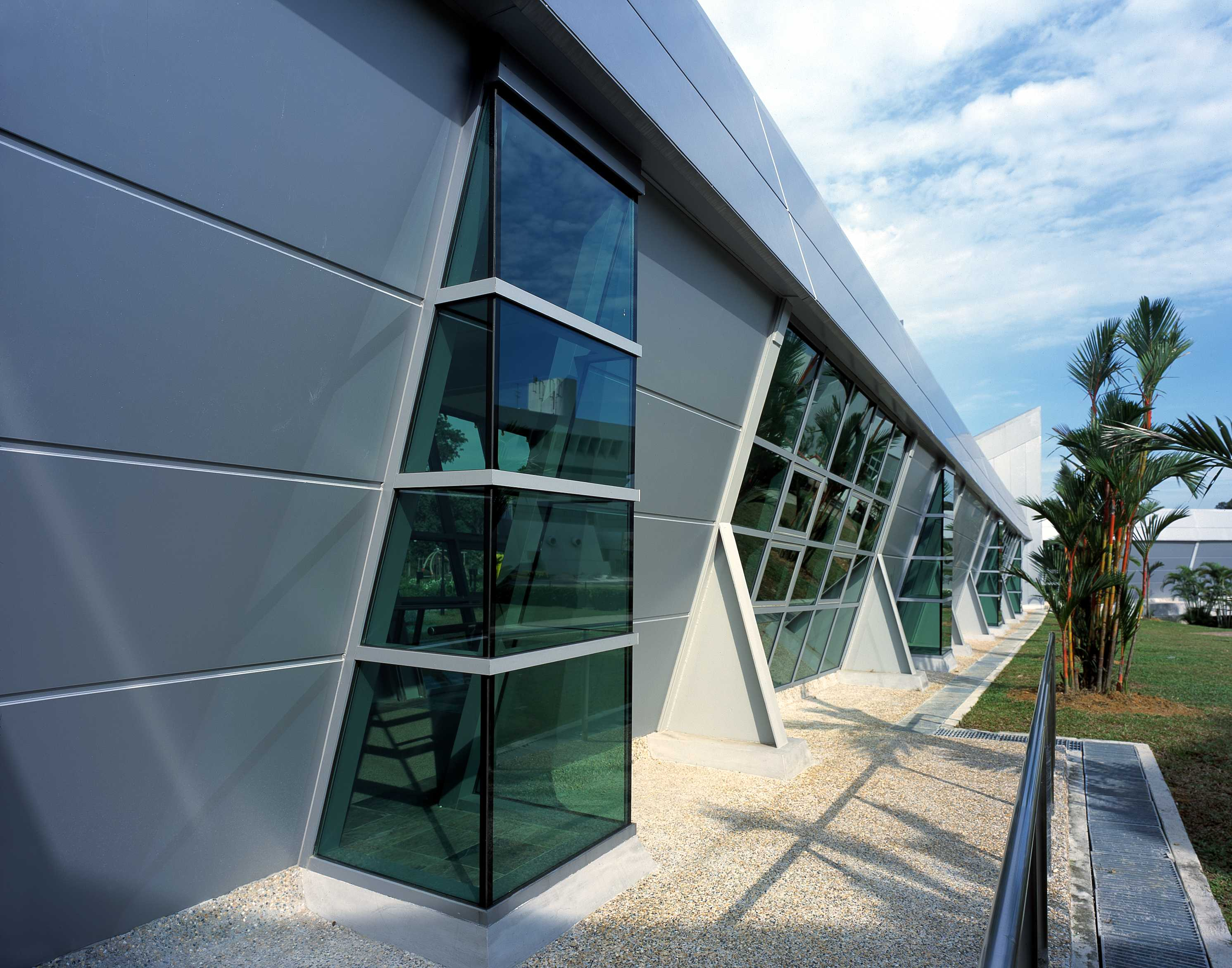
On the skyline of contemporary architecture, from skyscrapers to cultural landmarks, one material stands out for its exceptional performance and high malleability. It offers architects and designers boundless creative freedom—this material is the fluorocarbon aluminum composite panel (FACP). As a high-end building decoration material, FACP has become one of the top choices for modern curtain walls and exterior wall cladding. But what makes it so outstanding? And which engineering projects is it suitable for?
Fluorocarbon aluminum composite panels are new-type curtain wall materials. They are made from high-quality aluminum alloy sheets as the base material, which undergo CNC bending, welding, grinding, and other processing to form the desired shape. The surface is then sprayed with fluorocarbon (PVDF) coating. Their advantages are mainly reflected in the following aspects
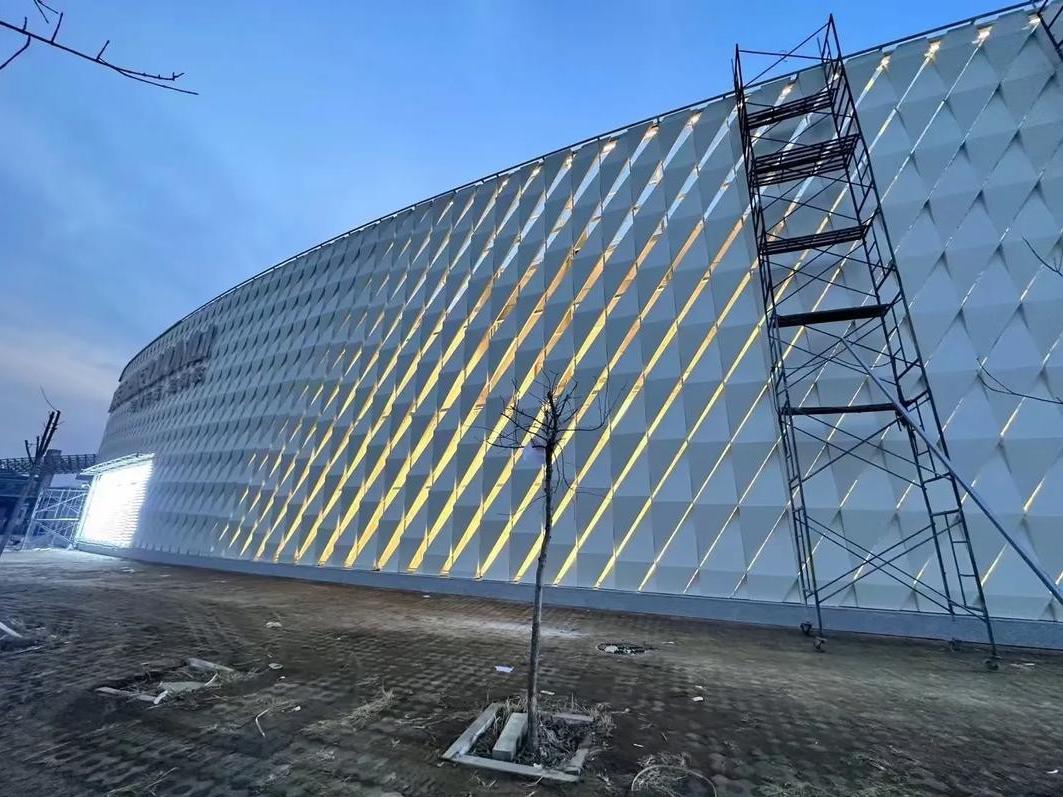
It can effectively resist erosion from harsh environments such as acid rain, salt spray, and air pollution. Even when exposed to ultraviolet rays, humidity, and alternating high and low temperatures for a long time, it will not experience chalking, fading, cracking, or other issues.
Typically, high-quality fluorocarbon coatings can ensure no fading or chalking for 20-25 years. This greatly extends the service life of building exteriors and reduces long-term maintenance costs.
Fluorocarbon aluminum composite panels offer nearly unlimited color options. They can be customized according to any Pantone color code to meet the personalized design needs of architects.
In addition to solid colors, they can also simulate wood grain, stone texture, metal finish, and other effects, achieving highly realistic decorative results.
In terms of shape, aluminum composite panels can be processed into various complex geometric forms such as flat panels, curved panels, and double-curved panels. This perfectly aligns with the design concept of modern architecture that pursues fluidity and uniqueness, endowing buildings with stronger artistic expression.
Lightweight yet High-Strength: The aluminum alloy material has low density and light weight, which significantly reduces the load on the building's main structure. At the same time, it possesses high strength and rigidity, with excellent wind pressure resistance.
Superior Fire Resistance: Aluminum alloy itself is a non-combustible material. Its fire rating can reach Class A2 or higher, which can effectively prevent the spread of fire and meet the strict fire safety requirements of high-rise buildings and large public buildings.
Good Processability: It is easy to perform cold working processes such as cutting, drilling, and bending. This facilitates production and installation, and helps ensure the progress of the construction schedule.
The surface of the fluorocarbon coating is smooth and not easy to get dirty, with excellent hydrophobicity and self-cleaning functions. Most surface dust and dirt can be washed away by rainwater, keeping the building's appearance clean and new for a long time, and significantly reducing later cleaning and maintenance costs.
In the current era of advocating green buildings, fluorocarbon aluminum composite panels also perform well. The aluminum alloy material is 100% recyclable with high residual value, complying with environmental protection requirements. Its production and use processes are also relatively energy-efficient, helping projects obtain green building certifications such as LEED and BREEAM.
With the above advantages, fluorocarbon aluminum composite panels are widely used in various engineering projects that have high requirements for building appearance, durability, and safety.
High-rise office buildings, commercial centers, hotels, and other structures are the main application areas of fluorocarbon aluminum composite panels. These buildings often serve as urban landmarks and pursue grand, modern, and visually impactful effects. Fluorocarbon aluminum composite panels can create curtain wall effects with large panels and high flatness. Combined with rich colors and shapes, they perfectly showcase the strength and image of enterprises.
Large public transportation buildings such as airports, high-speed rail stations, and subway stations have large passenger flows, long service lives, and extremely high requirements for safety and durability. The fire resistance, lightweight yet high-strength characteristics, and excellent weather resistance of fluorocarbon aluminum composite panels make them an ideal choice for these projects. They not only ensure safety but also welcome visitors from all over the world with a grand appearance.
Public buildings such as museums, theaters, libraries, and stadiums are usually the cultural cards of a city. Their architectural designs are unique and their shapes are diverse. The high malleability of fluorocarbon aluminum composite panels can perfectly realize the bold and innovative ideas of architects. Whether it is a streamlined curved surface or a geometric shape with sharp edges and corners, it can handle them with ease. At the same time, its durability ensures that these important public assets can maintain their artistic value for a long time.
The exterior facades of buildings such as shopping malls and large commercial centers need to attract attention and create a commercial atmosphere. The rich colors and textures of fluorocarbon aluminum composite panels can create highly visually appealing exterior facades. Meanwhile, their easy maintenance feature also meets the continuous requirement of commercial spaces for a clean appearance.
For old buildings, using fluorocarbon aluminum composite panels for exterior wall renovation is an efficient and economical choice. It can be directly covered on the original wall surface, with fast construction. This can completely change the outdated appearance of the building, endow it with a new modern look, and at the same time improve the building's thermal insulation performance and safety.
In addition, it is also commonly used in special indoor areas of buildings (such as lobbies and elevator halls), advertising signs, building canopies, column cladding, and other applications, with a very wide range of uses.
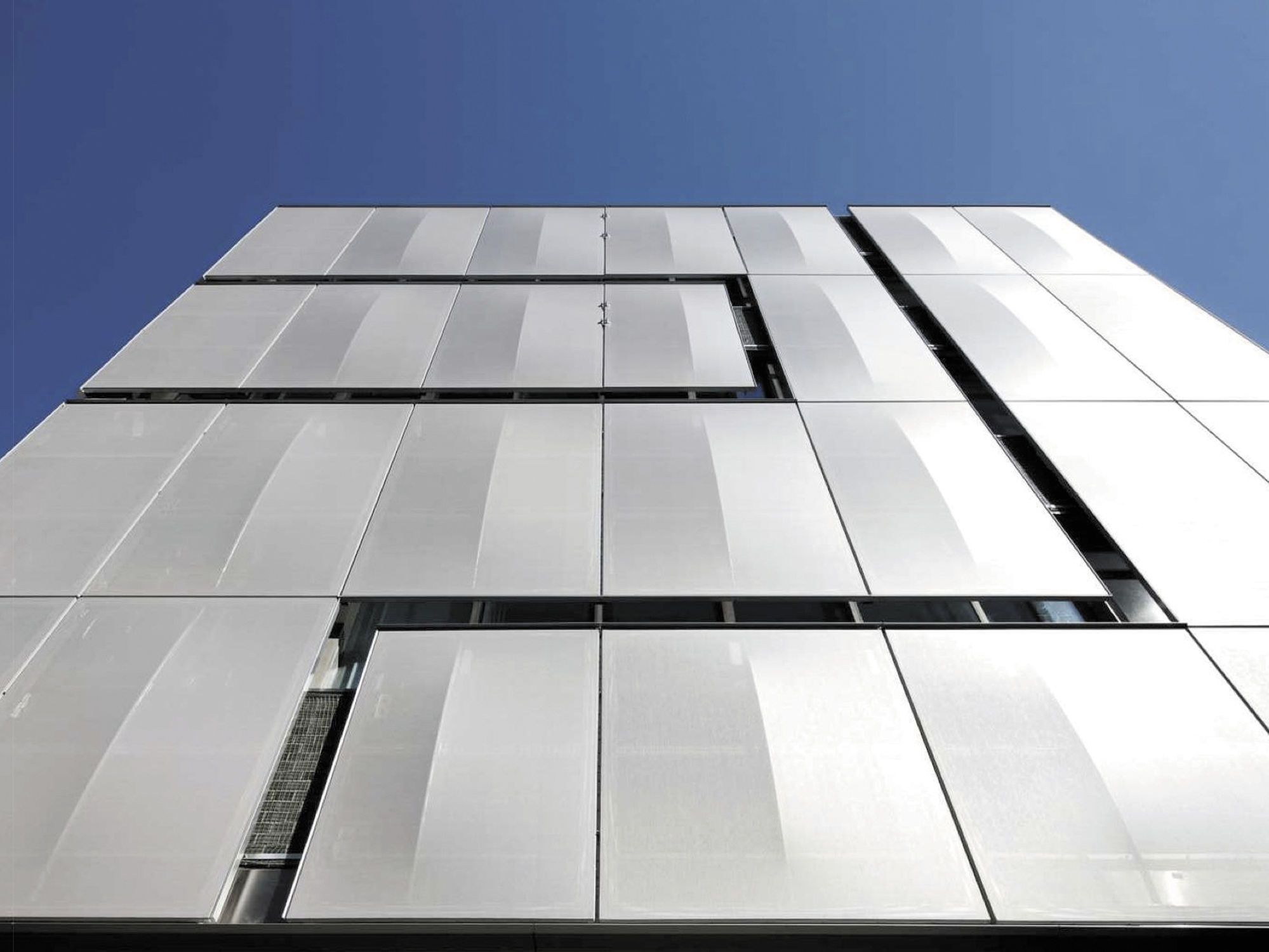
In conclusion, fluorocarbon aluminum composite panels, with their perfect combination of durability, decorativeness, safety, and environmental friendliness, have become the indispensable "skin" and "armor" of modern buildings. They are not only a rational choice for building materials but also an emotional carrier for realizing the dream of architectural aesthetics.